Best Mattresses of 2026
After researching today's most popular mattresses across every major category, the DreamCloud Premier stands out as our top overall pick for its exceptional balance of comfort, support, and value at $1,199 for a queen. For side sleepers, the Helix Midnight Luxe is the best choice, while the Saatva Classic leads for back pain relief and the Nectar Premier wins on budget.
Quick Comparison
| Product | Type | Firmness | Price | Rating | Trial | Warranty |
|---|---|---|---|---|---|---|
| DreamCloud Premier | Hybrid | Medium-Firm (6.5/10) | Check price | 4.6 | 365 nights | Lifetime |
| Helix Midnight Luxe | Hybrid | Medium (5.5/10) | Check price | 4.5 | 100 nights | 15 years |
| Saatva Classic | Innerspring | Multiple Options | $1,295 | 4.7 | 365 nights | Lifetime |
| Purple Original | Foam/Grid | Medium-Firm (6/10) | Check price | 4.3 | 100 nights | 10 years |
| Nectar Premier | Memory Foam | Medium (5/10) | Check price | 4.2 | 365 nights | Lifetime |
Our Top Picks in Detail
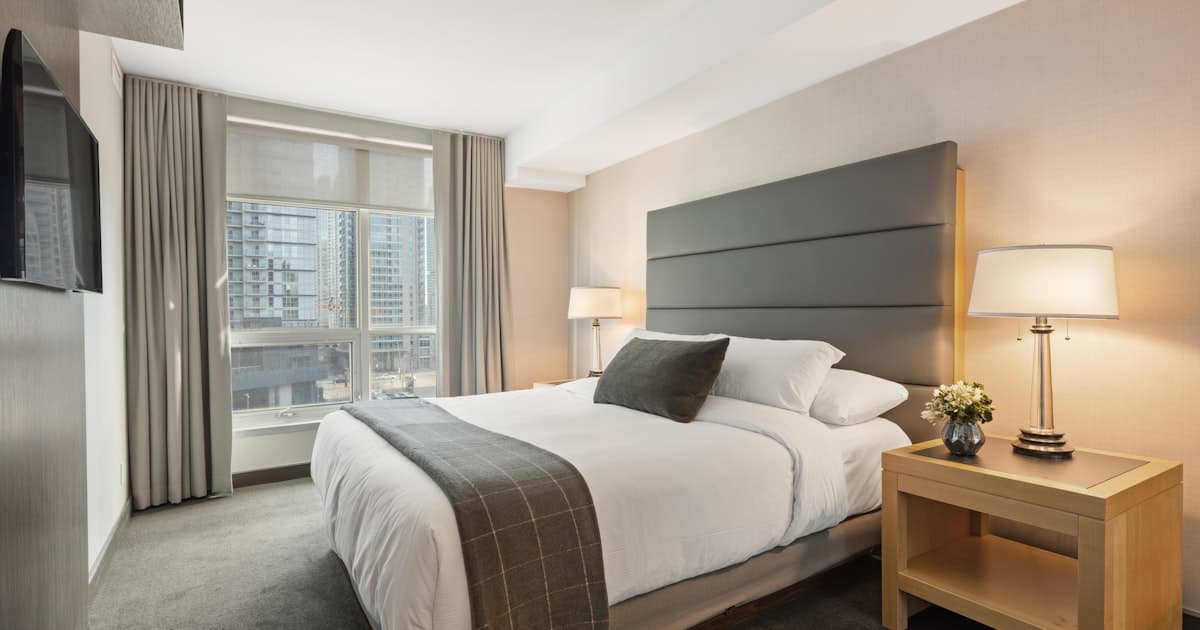
DreamCloud Premier
Best overall value hybrid mattress for most sleepers
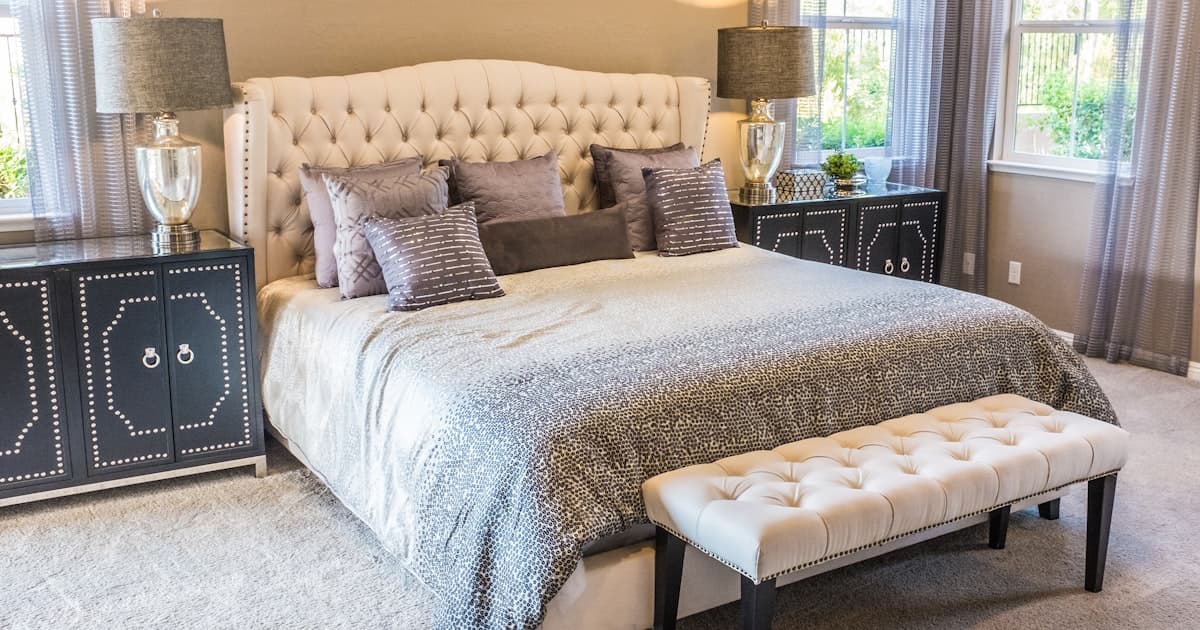
Helix Midnight Luxe
Best mattress for side sleepers who want pressure relief without sacrificing support
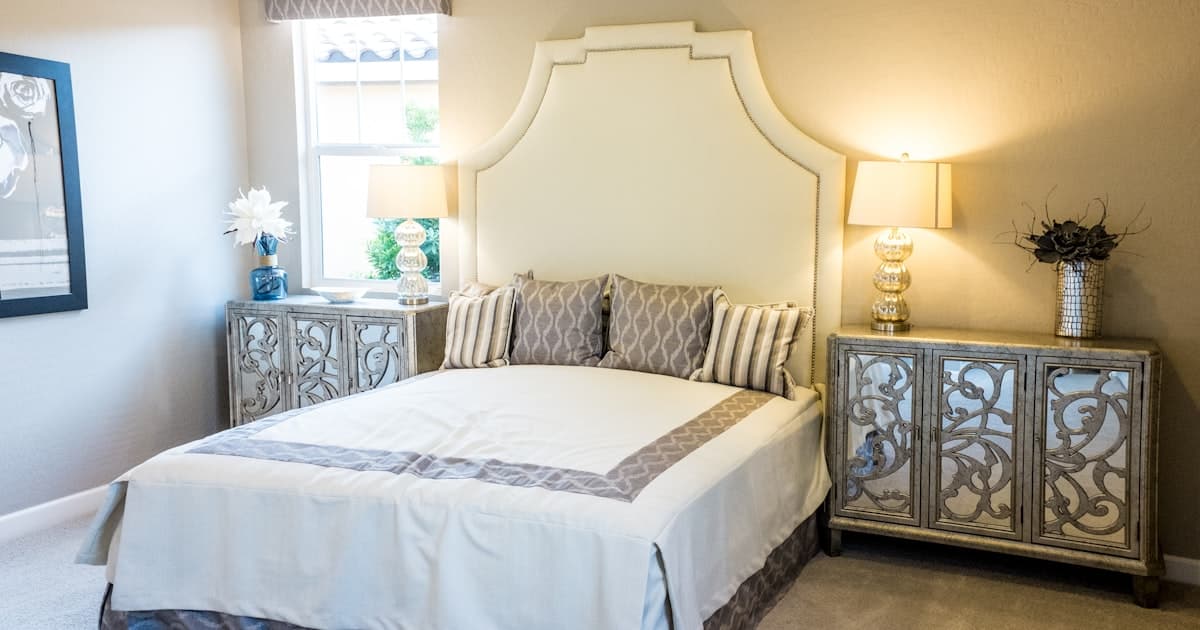
Saatva Classic
Best premium innerspring for people who want hotel-quality sleep at home
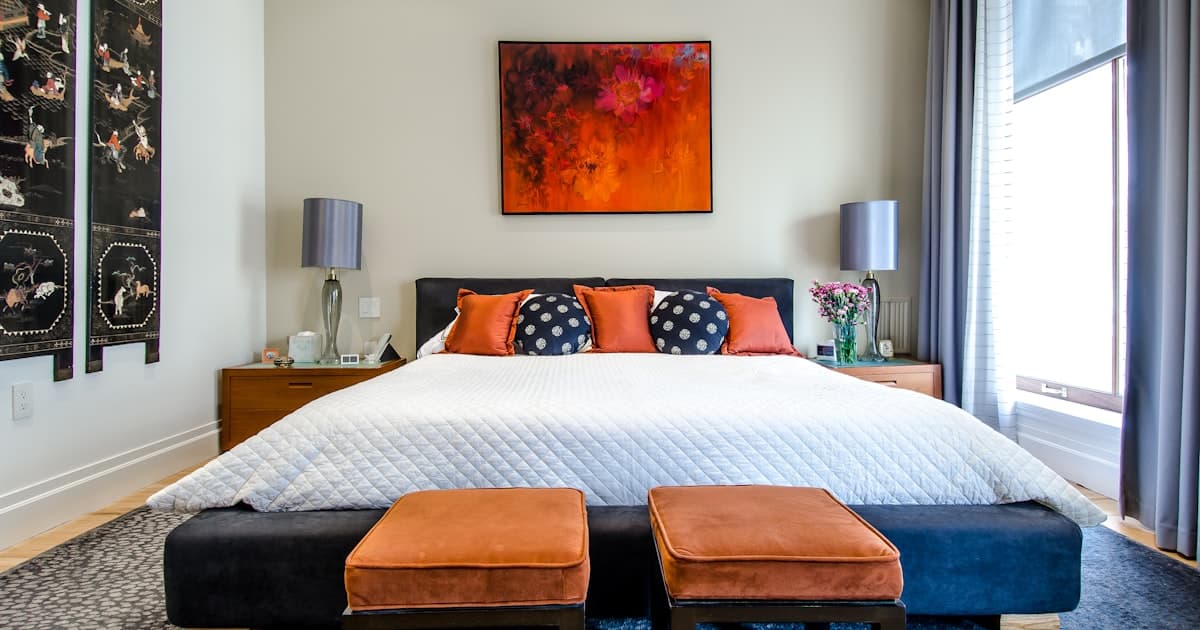
Purple Original
Best cooling mattress for sleepers who run hot year-round
Nectar Premier
Best budget memory foam mattress with an unbeatable trial period
Not Sure Which Mattress Is Right for You?
Take our free sleep quiz to get a personalized recommendation based on your sleep style, body type, and budget.
Find Your Perfect MattressHow We Research Mattresses
Our rankings come from in-depth research, not paid placement. For each mattress we analyze the manufacturer's specifications and materials, independent and third-party lab data where it exists, certifications, and large volumes of verified owner reviews — then score every product against the same criteria: support, pressure relief, cooling, motion isolation, edge support, and value.
We're transparent about what we don't do. We don't run a physical materials lab, so when a precise number matters — coil counts, foam density, off-gassing — we cite the manufacturer or an independent source rather than inventing our own measurements.
We also weigh the real-world stuff owners actually report: how easy the bed is to set up, whether the trial and return process lives up to its promise, and how responsive customer service is. For the full process, see our methodology.
Mattress Buying Guide
Types of Mattresses
Innerspring: Traditional coil construction, excellent airflow, strong edge support. Best for hot sleepers and those who prefer a bouncy feel.
Memory Foam: Contouring pressure relief, excellent motion isolation. Best for side sleepers and light sleepers with restless partners.
Hybrid: Combines coils with foam layers for the benefits of both. Best all-around choice for most sleepers.
Latex: Naturally responsive and durable, good cooling properties. Best for eco-conscious shoppers and those who want a bouncy-yet-supportive feel.
Choosing Firmness
Your ideal firmness depends primarily on your sleep position and body weight. Side sleepers generally need softer mattresses (4–6/10) for pressure relief. Back sleepers do best on medium-firm (5.5–7/10). Stomach sleepers need firm support (6–8/10) to prevent hip sinking. Heavier individuals typically need firmer mattresses within each category.
Frequently Asked Questions
We research each mattress in depth — analyzing manufacturer specifications, independent and third-party lab data, certifications, and large volumes of verified owner reviews — then score it against consistent criteria: support, pressure relief, cooling, motion isolation, edge support, and value. We don't run a physical testing lab, and we're transparent about that. See our methodology page for the full process.
Medium-firm mattresses generally work best for back pain sufferers. The Saatva Classic is our top pick for back pain because its dual coil system provides exceptional lumbar support while still offering enough cushioning for comfort. The key is a mattress that maintains neutral spinal alignment.
A quality queen mattress typically costs between $800 and $2,000. We recommend spending at least $800 to get durable materials, and our best value pick — the DreamCloud Premier at $1,199 — hits the sweet spot of quality and affordability. Don't overspend on features you don't need.
Most mattresses should be replaced every 7–10 years. Signs it's time: visible sagging, waking with aches, worsening allergies, or the mattress is over 8 years old. Hybrid and innerspring mattresses typically last longer than all-foam options.
It depends on your priorities. Hybrids sleep cooler and offer better edge support, making them ideal for couples and hot sleepers. All-foam mattresses excel at motion isolation and pressure relief, making them better for side sleepers and light sleepers with restless partners.
Most modern mattresses do not require a box spring. A platform bed, slatted foundation (slats no more than 3 inches apart), or adjustable base works perfectly. Some mattress warranties may even be voided by using an old box spring, so check the manufacturer's guidelines.
Get Better Sleep Tips Weekly
Get a short, science-backed sleep tip and any genuinely good product deals in your inbox. One email a week — no spam.
No spam, ever. Unsubscribe anytime.